Infrastructure Operations
Patch Compliance Monitoring & Endpoint Agent Health
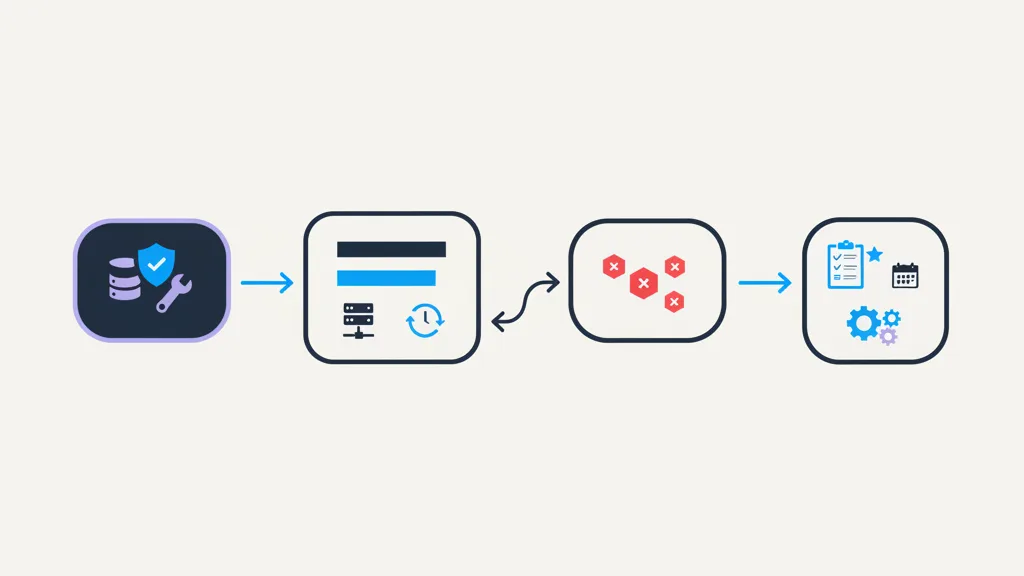
Monitor compliance based on unified inventory and track Puppet/agent health across systems.
View ApplicationInfrastructure Operations · App Design
Package and deliver patch payloads for Windows and Linux systems using AI-driven orchestration.
Built for: CIO / VP Infrastructure & Operations
End-to-end workflow
Stages retain the source reference workflow. Actor assignments and approval controls are not inferred; deployment responsibilities require review with your process owners.
Agent identifies approved missing Windows and Linux patches
groups servers by OS, business service and maintenance window
prepares deployment packages
coordinates testing and approvals
launches patch jobs through native management agents
validates installation and health
initiates rollback or escalation when required
Data sources used in the reference workflow. Integration approach, authentication and permitted actions are assessed for each deployment.
Measures to baseline before a pilot and track afterwards. Fynite does not publish projected results for this application.
Deployment-planning guidance, not a verified configuration for this application. Specific controls require confirmation during evaluation.
Questions
Package and deliver patch payloads for Windows and Linux systems using AI-driven orchestration. In the reference scenario: Agent identifies approved missing Windows and Linux patches → groups servers by OS, business service and maintenance window → prepares deployment packages → coordinates testing and approvals → launches patch jobs through native management agents → validates installation and health → initiates rollback or escalation when required.
Have another question? Use the assistant in the corner of this page — it knows this application's details.
Related applications
Infrastructure Operations
Monitor compliance based on unified inventory and track Puppet/agent health across systems.
View Application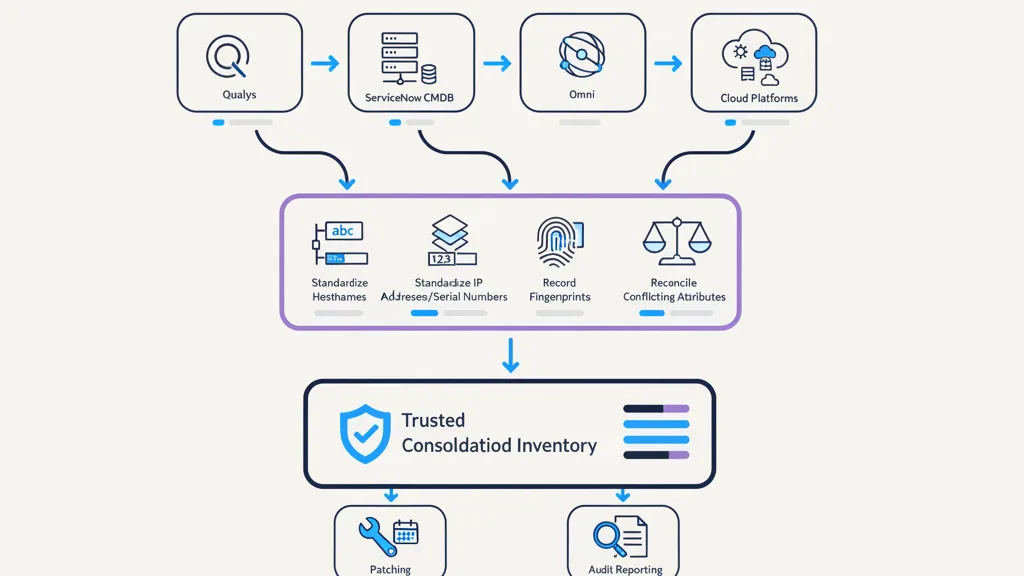
Infrastructure Operations
Consolidate inventory from sources (Qualys, CMDB, Omni, etc.), hash data, and create a single source of truth.
View Application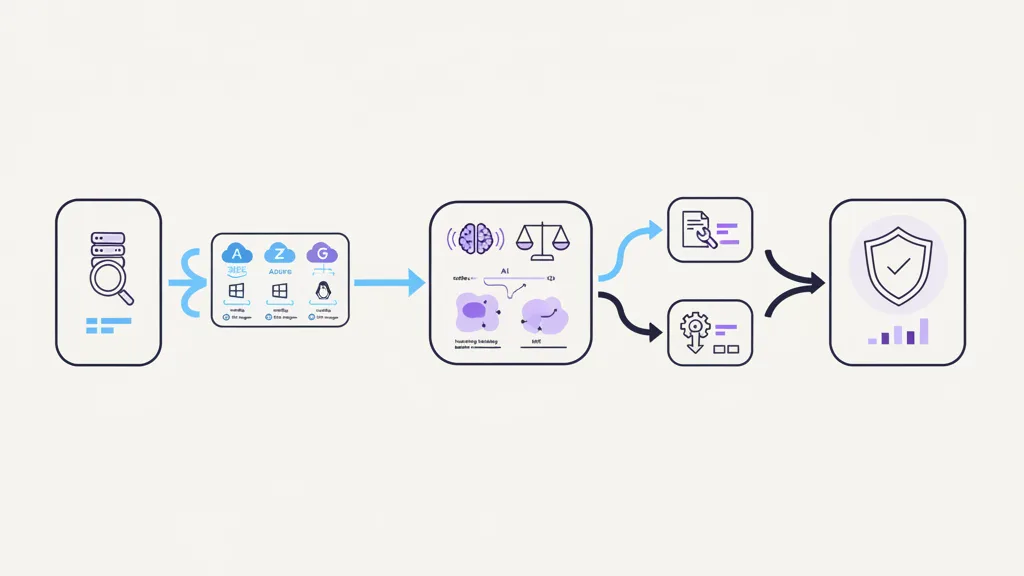
Infrastructure Operations
Validate adherence to standards (image control, baseline configs), and use AI to enforce across CSP environments via Puppet.
View ApplicationStart with the outcome
Start from an existing enterprise application or bring your own requirements. See how Fynite can connect your systems, deploy reasoning agents, and turn complex work into governed execution.