Infrastructure Operations
Patch Compliance Monitoring & Endpoint Agent Health
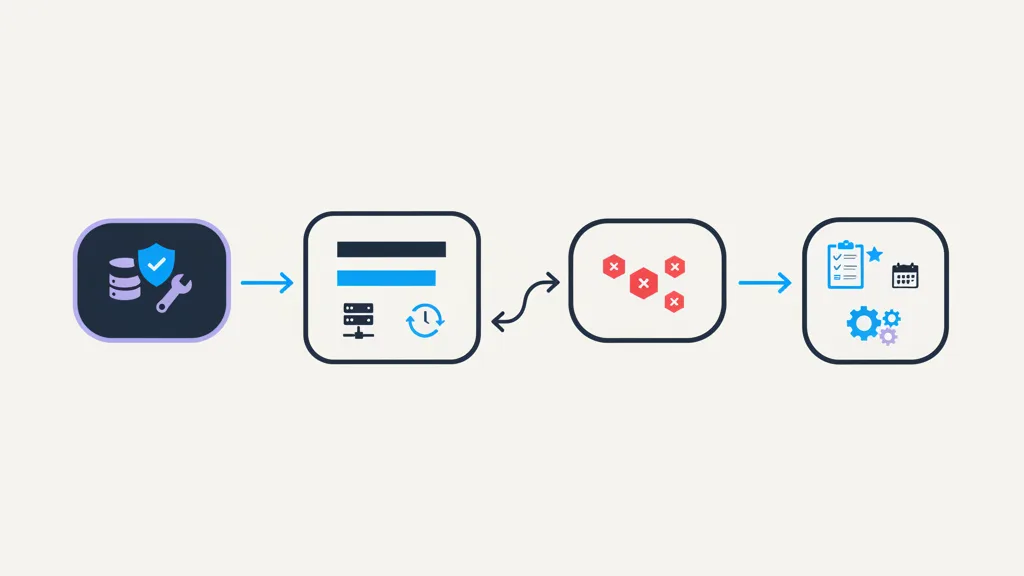
Monitor compliance based on unified inventory and track Puppet/agent health across systems.
View ApplicationInfrastructure Operations · App Design
Consolidate inventory from sources (Qualys, CMDB, Omni, etc.), hash data, and create a single source of truth.
Built for: CIO / VP Infrastructure & Operations
End-to-end workflow
Stages come from the reference scenario for this application. Each is tagged by who performs it: agent reasoning, governed automation, or human control.
Agent retrieves asset inventories from Qualys, ServiceNow CMDB, Omni and cloud platforms
Governed automation
Standardizes hostnames, IP addresses, serial numbers and asset identifiers
Agent reasoning
Uses record fingerprints to detect duplicates
Agent reasoning
Reconciles conflicting attributes
Governed automation
Creates a trusted consolidated inventory for patching and audit reporting
Governed automation
Data sources used in the reference workflow. Integration approach, authentication and permitted actions are assessed for each deployment.
Measures to baseline before a pilot and track afterwards. Fynite does not publish projected results for this application.
Specific platform controls are confirmed against Fynite's security documentation during evaluation.
Questions
Consolidate inventory from sources (Qualys, CMDB, Omni, etc.), hash data, and create a single source of truth. In the reference scenario: Agent retrieves asset inventories from Qualys, ServiceNow CMDB, Omni and cloud platforms → standardizes hostnames, IP addresses, serial numbers and asset identifiers → uses record fingerprints to detect duplicates → reconciles conflicting attributes → creates a trusted consolidated inventory for patching and audit reporting.
Have another question? Use the assistant in the corner of this page — it knows this application's details.
Related applications
Infrastructure Operations
Monitor compliance based on unified inventory and track Puppet/agent health across systems.
View Application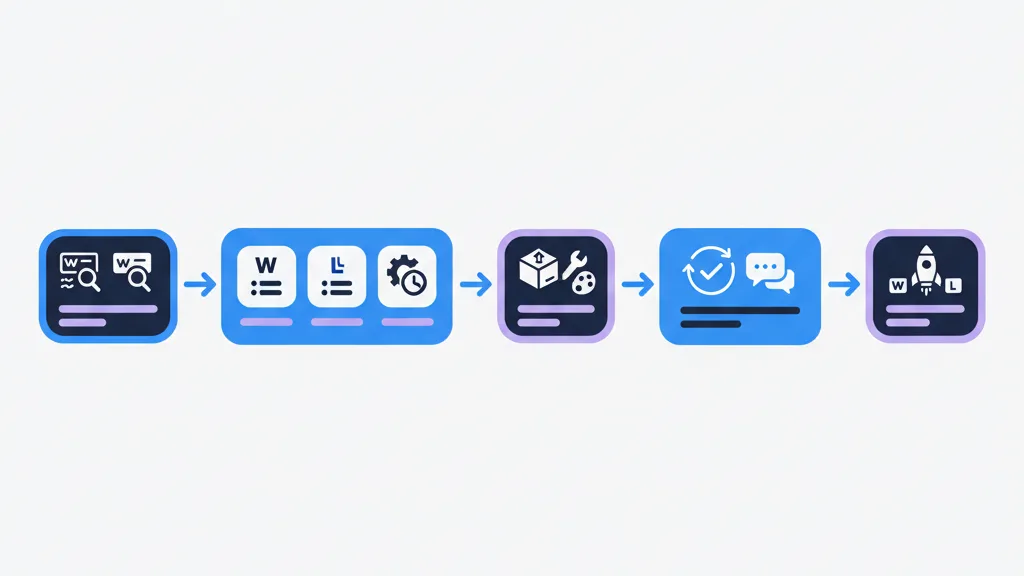
Infrastructure Operations
Package and deliver patch payloads for Windows and Linux systems using AI-driven orchestration.
View Application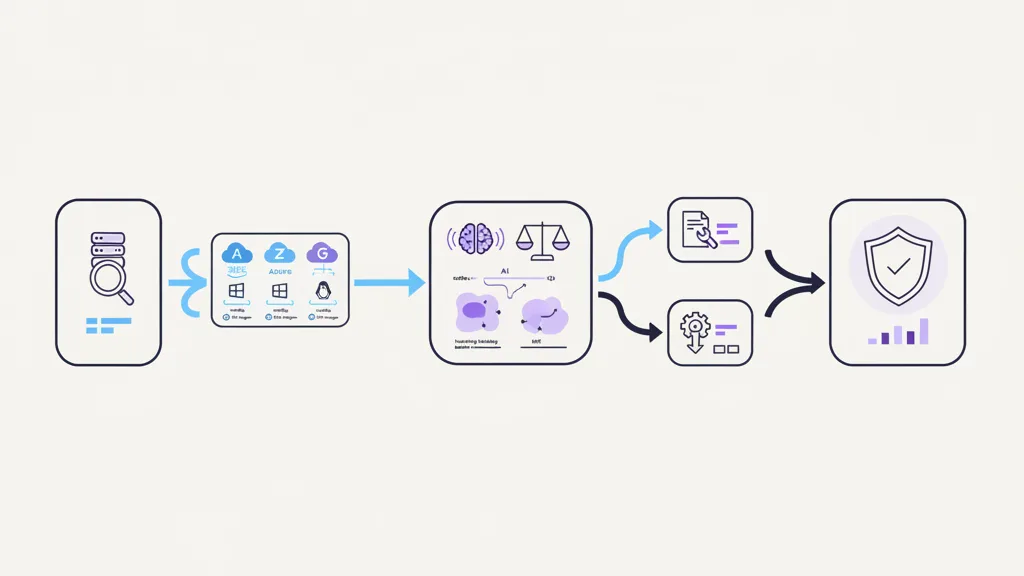
Infrastructure Operations
Validate adherence to standards (image control, baseline configs), and use AI to enforce across CSP environments via Puppet.
View ApplicationStart with the outcome
Start from an existing enterprise application or bring your own requirements. See how Fynite can connect your systems, deploy reasoning agents, and turn complex work into governed execution.